
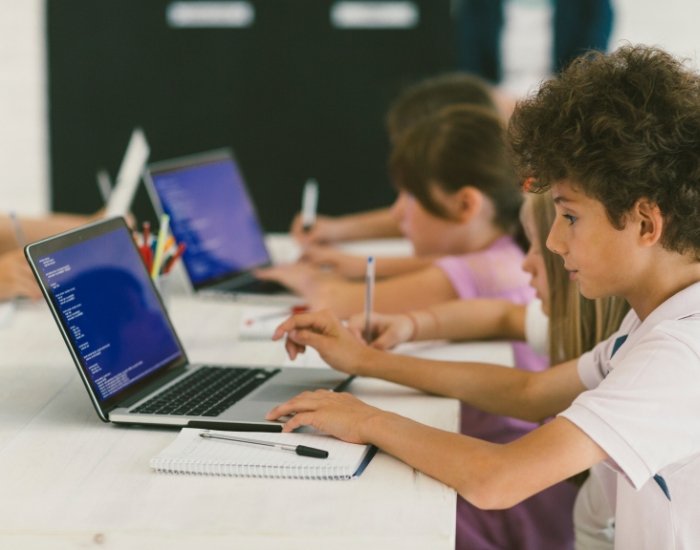
Many parents wonder whether coding is simply too difficult for children to learn. Words like “programming,” “algorithms,” and “logic” can sound intimidating, especially for younger kids. It’s natural to worry that coding might feel overwhelming or frustrating for a child who is still developing basic academic skills.
The good news is that coding is not too hard for kids when it is taught the right way. In fact, modern coding education is designed specifically for children, using games, visuals, and step-by-step learning. This blog answers common parent concerns, explains how kids learn coding, and shows why coding can actually be one of the most approachable and beneficial skills for children today.
Table of Contents
- Why Parents Think Coding Is Hard
- Is Coding Actually Difficult for Kids?
- How Coding Is Taught to Children Today
- Skills Kids Develop While Learning Coding
- Common Challenges Kids Face (and Solutions)
- How Parents Can Support Their Child
- FAQs
- Final Thoughts
1. Why Parents Think Coding Is Hard
Many parents associate coding with advanced computer science, long lines of confusing text, or the work of professional software engineers. This perception often comes from adult experiences with technology or from seeing complex programming languages used in workplaces. As a result, parents may worry that their child is too young to learn coding, that coding requires strong math skills, that their child might become frustrated or lose interest, or that they themselves won’t be able to provide help at home. While these concerns are completely understandable, they do not reflect how children’s coding education is designed and taught today.
2. Is Coding Actually Difficult for Kids?
Coding itself is not inherently difficult for children. What matters most is how and when it is introduced. Children learn best through play, exploration, and creativity, and modern coding programs are built around these principles. When coding is taught using age-appropriate tools, children often find it fun and engaging, similar to solving puzzles, more creative than technical, and rewarding in a way that builds confidence. For kids, coding is less about memorizing rules and more about experimenting, trying again, and seeing immediate results. In many cases, children adapt to coding even faster than adults because they are naturally curious and open to learning new systems.
3. How Coding Is Taught to Children Today
Coding education for children looks very different from traditional programming. Instead of starting with complex syntax, kids begin with visual and interactive learning methods. Younger children often use block-based coding, where they drag and drop colorful blocks to create programs. This removes the fear of typing errors and allows them to focus on logical thinking and creativity. As children grow older, they gradually transition to simple text-based languages with clear and structured guidance. Modern coding programs emphasize game-based learning, storytelling and animations, step-by-step challenges, and hands-on projects, making coding feel more like play than study.
4. Skills Kids Develop While Learning Coding
Even if a child never becomes a programmer, coding helps develop essential life skills. Coding strengthens problem-solving abilities by teaching children how to break big problems into smaller steps. It improves logical and critical thinking, as kids learn to plan, test, and fix their ideas. Coding also builds creativity, allowing children to design games, characters, and interactive stories.
Additionally, children develop patience and persistence. When something doesn’t work, they learn that mistakes are part of learning, not failure. Over time, this builds confidence and resilience, which are valuable in school and everyday life.
5. Common Challenges Kids Face (and Solutions)
While coding is not too hard for kids, some challenges can arise. The key is knowing how to handle them.
One common challenge is initial frustration when a program doesn’t work as expected. This can be solved by encouraging children to view mistakes as learning opportunities and guiding them step by step.
Another issue is short attention span, especially for younger kids. Keeping sessions short, interactive, and project-based helps maintain interest. Mixing coding with physical breaks also prevents fatigue.
Some children may feel coding is “boring” if lessons are too rigid. Choosing platforms that allow creativity, games, and personalization makes learning more enjoyable.
With the right environment and support, these challenges become part of the learning journey rather than obstacles.
6. How Parents Can Support Their Child
Parents do not need a technical background to support their child’s coding journey. What children need most is encouragement and interest.
Parents can help by:
- Celebrating small achievements
- Asking children to explain what they built
- Encouraging curiosity and experimentation
- Avoiding pressure or comparison
It’s also important to let children learn at their own pace. Some kids pick up coding quickly, while others take more time—and both are perfectly normal.
Creating a positive attitude toward learning is more important than speed or perfection.
7. Frequently Asked Questions
1. Is coding suitable for young children?
Yes. Children as young as 5–7 years old can start learning coding through visual, play-based tools designed for their age.
2. Does my child need to be good at math to learn coding?
No. Basic logic is more important than advanced math, and math skills often improve naturally through coding.
3. What if my child makes mistakes while coding?
Mistakes are a normal and important part of coding. Fixing errors helps children learn problem-solving and persistence.
4. How much time should kids spend learning coding?
Short, regular sessions—around 20 to 40 minutes—are more effective than long, infrequent ones.
5. Can coding stress children?
When taught correctly, coding is fun and engaging. Stress usually comes from pressure, not the activity itself.
8. Final Thoughts
Coding is not too hard for kids—it’s simply different from traditional learning. When introduced in a child-friendly way, coding becomes an enjoyable activity that builds confidence, creativity, and problem-solving skills. Rather than overwhelming children, coding empowers them to understand and shape the digital world around them.
With the right tools, guidance, and encouragement, any child can learn to code and benefit from the skills it develops.
Looking for a fun and supportive way to introduce coding to your child? KidsCodeBD offers age-appropriate coding programs designed to make learning simple, engaging, and stress-free—helping kids build skills while having fun.