
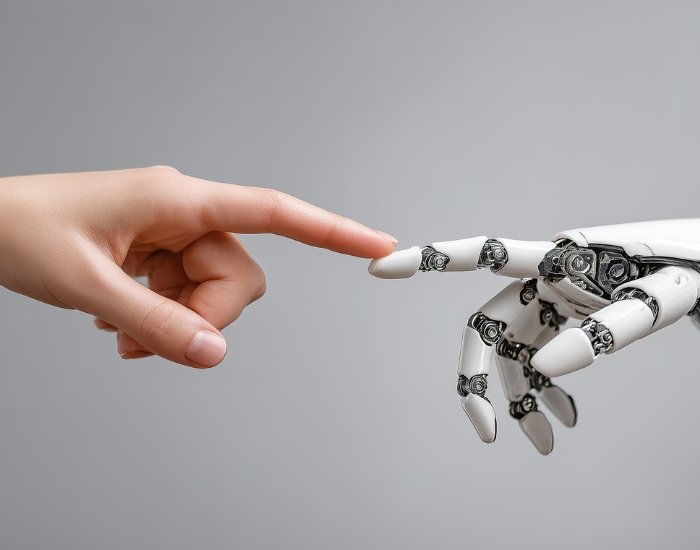
Artificial Intelligence (AI) is no longer a distant concept—it’s shaping the world around us, from smart assistants to personalized learning tools. As AI becomes increasingly integrated into everyday life, many parents wonder whether their children should start learning about AI and at what age. AI education for kids goes beyond preparing them for tech careers. It nurtures critical thinking, creativity, and problem-solving skills. Learning AI concepts early also helps children understand how technology works, fostering digital literacy and responsible use of technology.
This guide explores what AI education entails, its benefits for children, practical learning approaches, and what parents should know to support their child’s AI learning journey.
Table of Contents
- What Is AI Education for Kids?
- Why AI Learning Matters
- Key Skills Children Gain From AI Education
- Tools and Platforms for AI Learning
- How Children Can Apply AI Concepts
- Age-Appropriate Learning Approaches
- The Role of Parents in AI Education
- Common Challenges and How to Overcome Them
- FAQs
- Final Thoughts
1. What Is AI Education for Kids?
AI education for children introduces foundational concepts of artificial intelligence in a fun and engaging way. Unlike traditional computer science courses, AI education focuses on real-world applications such as machine learning, pattern recognition, and decision-making. Children learn through interactive platforms, games, and projects that illustrate how AI systems work. This type of education encourages experimentation, creativity, and logical thinking while providing hands-on experience with technology. Rather than memorizing code or abstract theory, kids actively see how AI models analyze data, predict outcomes, and adapt to new information.
2. Why AI Learning Matters
AI is transforming industries and shaping the future workforce. Learning AI early provides children with both practical and cognitive advantages:
- Digital Literacy: Understanding AI helps children navigate the technology-driven world safely and responsibly.
- Problem-Solving Skills: AI projects often require analyzing data, identifying patterns, and testing solutions.
- Creativity and Innovation: Children can create interactive games, chatbots, or AI-driven stories, combining technical skills with imagination.
- Future Career Readiness: Exposure to AI lays the groundwork for future opportunities in tech, engineering, and other fields.
By introducing AI at a young age, children develop a mindset that embraces curiosity, experimentation, and solution-oriented thinking.
3. Key Skills Children Gain From AI Education
AI learning teaches children more than just technical knowledge. It strengthens essential life skills:
- Logical Thinking: AI projects involve step-by-step problem-solving and pattern recognition.
- Analytical Skills: Kids learn to collect, interpret, and act on data.
- Collaboration: Many AI projects encourage teamwork and peer learning.
- Resilience: Trial-and-error learning in AI fosters persistence and adaptability.
- Ethical Awareness: Understanding AI introduces discussions about responsible technology use and fairness.
These skills benefit children academically, socially, and in future careers.
4. Tools and Platforms for AI Learning
Several tools make AI learning accessible and engaging for children. Scratch AI Extensions introduce basic AI concepts through block-based coding projects, allowing kids to see how AI works in a playful environment. Machine Learning for Kids lets children train AI models for simple applications such as image recognition or chatbots, providing hands-on experience with AI logic. Robotics kits with AI teach decision-making through programming robots, giving children a tangible understanding of AI in action. Additionally, interactive games and simulations provide gamified platforms for exploring AI concepts while having fun. These tools create a safe, interactive environment that encourages curiosity, experimentation, and exploration.
5. How Children Can Apply AI Concepts
AI learning extends beyond coding exercises, offering opportunities to apply concepts in practical ways. AI tools can provide personalized learning, adapting lessons to a child’s pace and style. Children can work on creative projects, such as designing games, animations, or chatbots that respond intelligently to user input. Simple data analysis experiments, like predicting outcomes from collected information, strengthen analytical reasoning. Children can also explore smart home technologies, learning how virtual assistants like Siri or Alexa work and experimenting with voice commands and automation. By creatively applying AI concepts, children gain skills that are transferable to many other areas of learning and problem-solving.
6. Age-Appropriate Learning Approaches
AI education should be tailored to a child’s age and cognitive development. Early learners (5–8 years) benefit most from visual programming, block-based coding, and AI-driven games that teach basic concepts like pattern recognition and cause-and-effect. Children aged 9–12 can tackle beginner-friendly AI projects, such as simple chatbots, decision trees, or basic machine learning experiments. Teens (13+ years) are ready to explore text-based coding languages and more complex AI applications, including predictive models, AI simulations, and robotics projects. Using age-appropriate tools ensures children stay engaged, curious, and confident while learning.
7. The Role of Parents in AI Education
Parents play a vital role in supporting their child’s AI learning journey, even without technical expertise. Encouragement, involvement, and curiosity help children feel motivated and confident. Parents can celebrate achievements, such as completing an AI project or experimenting creatively, which reinforces a sense of accomplishment. They can also encourage children to explain their projects, strengthening understanding and communication skills. Providing opportunities for online classes, workshops, or hands-on projects ensures children have consistent learning experiences. Focusing on the learning process rather than perfection fosters resilience and a growth mindset. A supportive environment makes AI education enjoyable and reinforces confidence in problem-solving.
8. Common Challenges and How to Overcome Them
Even with engaging tools and guidance, children may face challenges in AI learning. Complex concepts can feel overwhelming, but these can be simplified using interactive, gamified lessons. Screen fatigue is another concern, so balancing online learning with offline activities and breaks is important. Limited resources can be addressed by exploring free or low-cost AI platforms, workshops, and coding kits. Maintaining interest is crucial, and this can be achieved through fun, project-based learning and collaborative experiments. With proper guidance and encouragement, children can overcome these challenges and enjoy the full benefits of AI education.
9. Frequently Asked Questions (FAQs)
1. At what age can children start learning AI?
Children can begin learning basic AI concepts as early as five years old using visual programming and block-based tools.
2. Do kids need prior coding experience to learn AI?
Not necessarily. Many AI learning platforms are beginner-friendly and introduce coding and AI concepts together.
3. How can AI education improve problem-solving skills?
AI learning involves analyzing data, testing solutions, and experimenting, which strengthens logical thinking and problem-solving abilities.
4. Is AI education only for children interested in technology careers?
No. AI skills benefit creativity, critical thinking, and logical reasoning, which are valuable across all fields.
5. Can AI learning be done at home?
Yes. Many platforms, apps, and kits make AI learning accessible and interactive from home, with guidance and support from parents.
10. Final Thoughts
AI education for kids is an essential step toward developing critical thinking, creativity, and problem-solving skills. By introducing children to AI concepts in a structured, age-appropriate, and engaging way, parents can help their children gain confidence, understand technology, and prepare for future opportunities.
AI learning is more than coding; it teaches children to think logically, experiment creatively, and approach challenges with curiosity and resilience. With the right resources and parental support, children can enjoy a fun, rewarding, and skill-building introduction to the world of AI.
Help your child explore the exciting world of AI with KidsCodeBD. Our AI-focused programs are designed to be interactive, engaging, and age-appropriate, helping children develop confidence, problem-solving skills, and digital literacy for the future.